Death Cleanup
Home cleaning following a death includes affected possessions as well as fluid and odor cleanup.
See death cleanupGet decomposition fluids, affected materials and odor removed from a home, apartment, rental or business in Broadview after officials release the property. Cleanup timing depends on the affected area and materials.
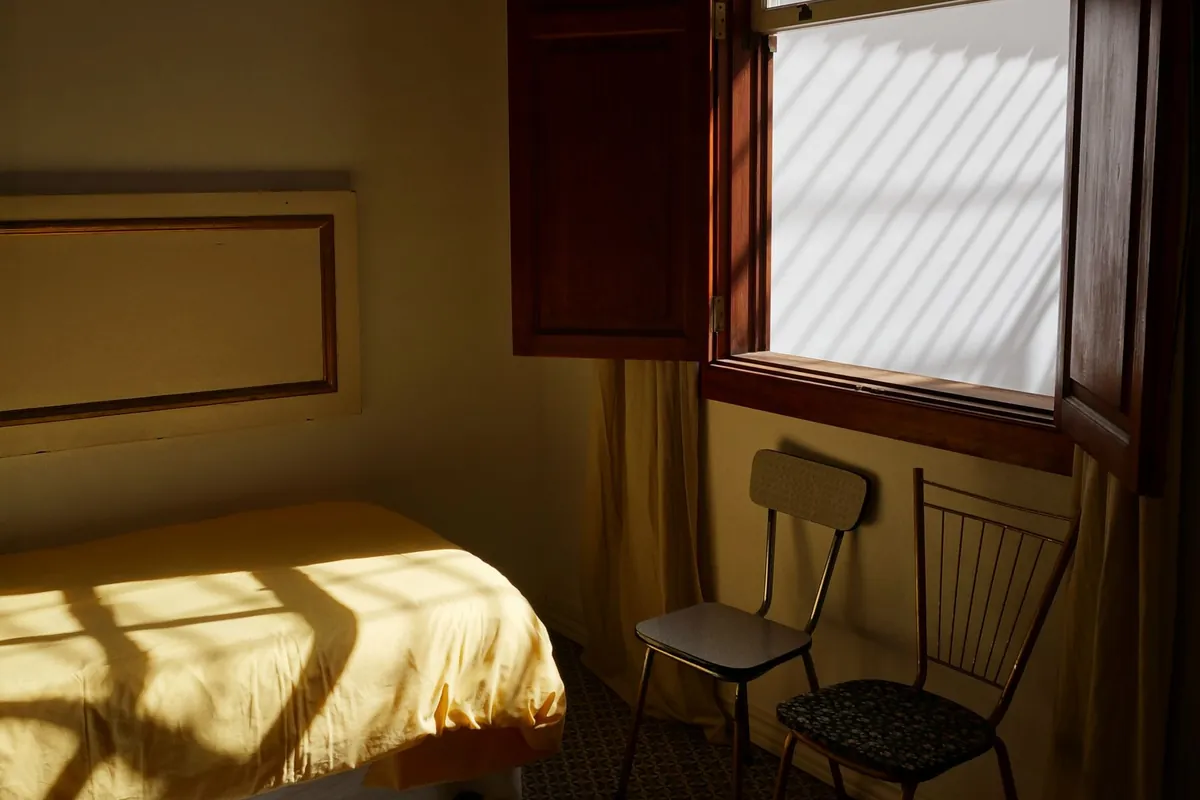
Unattended death cleanup is the removal of decomposition fluids, contaminated belongings and odor after a person has died and was not found right away, followed by cleaning and disinfection of the affected area.
The medical examiner, coroner or funeral home takes the person into care, but neither cleans the home. Once officials release the property, you or the person responsible for it must arrange the cleanup. The work is also called unattended death clean up, decomposition cleanup, post death cleanup and biohazard clean up after death.
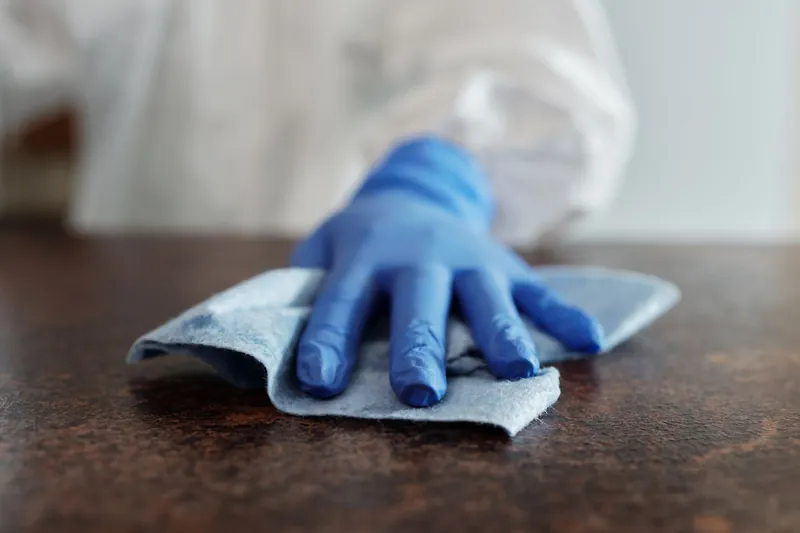
The work looks past visible marks to determine how far contamination spread. Bedding, carpet and its pad may let bodily fluids through to flooring seams or subfloor, and material may settle alongside furniture or walls. Cleanup technicians trace that movement, discard items that cannot be completely cleaned and use an EPA-registered disinfectant on remaining surfaces for its label contact time. They also ready hazardous waste for disposal according to law.
Odor removal belongs within the broader remediation process. The source must be removed before the air and remaining surfaces are treated. Outside affected areas, personal property can afterward be organized, cleaned if appropriate, or held for you to examine. Death scene cleanup is usually completed before repairs such as replacing drywall, flooring or baseboards begin.
Your call is answered around the clock, and crews use unmarked vehicles. You may coordinate access without entering the affected space or sharing personal information with nearby residents.
When safely accessible, documents, photos, jewelry and other important belongings are placed apart. Whenever circumstances allow, you choose the treatment for belongings placed aside.
Insurance companies, landlords and property managers can receive organized photographs, waste records and scope documentation. Clear records help you move forward with repairs and claim evaluation.
Before work starts, you learn what was found, why cost may change, and which materials stay or require removal. You can ask questions throughout every stage.
Cleanup services become necessary when an unattended death went undiscovered and fluids or odor had time to affect the property. Although each setting differs, people still need to stay away while contamination is traced.
Fluids and odor may reach a subfloor, a shared wall or the unit below. The family, insurance company, tenant and property manager may each require photos and clearly marked work limits.
Once officials release the unit, its landlord or property manager may coordinate entry. The person with authority should decide what may be removed, preserved or cleaned before personal items are disturbed.
Access can be difficult when heavy possessions cover contaminated areas. Death cleanup and hoarding cleanup must be coordinated so contaminated items are separated from property that can still be reviewed.
Bedding, floors, baseboards and possessions may be affected in a bathroom, bedroom or living space. You can avoid entering while cleanup technicians check where contamination has traveled.
Stay outside the affected area until its official release. The steps below can protect other people and you while preserving the investigation and any insurance claim that may follow.
Call (888) 440-9227Unattended death cleanup typically costs $2,000 to $7,000 according to published guides, or $2,000 to $5,000 for a recent one-room case. When discovery takes one to two weeks, guides list $8,000 to $18,000 and after three weeks or more they list $15,000 to $35,000 per job. How deep fluids soaked in, odor treatment and waste volume set what you pay.
Published national cost guides are the source for these ranges, rather than an inspection of your property. The price for your property is set after the on-site assessment, and you hear it before work starts.
Ask about cost: (888) 440-9227Homeowners, renters and commercial property policies may cover the cost of unattended death cleanup. Coverage is determined by the loss cause, the deductible, any exclusions and the policy itself.
Payment arrangements reflect policy details, the lease and property ownership responsibilities. The landlord may organize building cleanup, and personal property may fall under a renter's policy.
Find out which records your adjuster requires. The insurance company may use assessment photos, a detailed scope, waste records and material removal notes to evaluate your claim.
Homeowners or renters insurance, the estate or the property owner usually pays for this kind of cleanup. The Washington crime victim compensation program helps only when a crime caused the loss.
Contact the insurance company to ask specifically about repairs, odor treatment, contaminated material removal and biohazard remediation. Keep the claim number and ask before discarding property.
Release and assessment come first in the controlled process for unattended death cleanup. What is found sets the course for removal and disinfection, followed by odor treatment and final records.
Technicians verify the official release, discuss property access with you, examine the affected area and nearby rooms, record conditions, and establish the necessary scope.
The work zone is separated from clean parts of the property. Barriers, protected flooring and managed airflow reduce movement along shared areas and hallways.
The work determines which gloves, clothing, eye protection and respiratory protection cleanup technicians use. OSHA Bloodborne Pathogens Standard 29 CFR 1910.1030 covers workers who may contact blood.
Bedding, carpet, pad, furniture, drywall or flooring that cannot be fully disinfected is removed in controlled sections. You can inspect keepsakes and unaffected personal property after they are set aside.
Cleaning comes before applying an EPA-registered disinfectant to remaining hard surfaces for the full contact time on its label. Crevices receive attention along with surrounding surface areas.
Treatment for odor begins only once sources of contamination are gone. HEPA air scrubbers, hydroxyl equipment or other treatment may suit the space and its remaining materials.
Contaminated materials are secured in suitable containers, then moved along the designated removal route. Disposal records can be kept with the cleanup photos and insurance documents.
Inspection of the work zone follows odor treatment and cleaning. A completed-scope record is given to you before damaged finishes proceed to restoration services.
Phone any hour. An unattended death cleanup specialist answers, explains the steps and agrees a start time with you.
Protective gear, controlled removal and complete disinfection are necessary because an unattended death may leave contaminated porous items and bodily fluids.
Rules for packing, transportation and disposal may apply to removed carpet, floor materials, bedding and other affected items. They should not be placed loosely in household trash or carried through clean rooms.
Carpet may allow fluids into its pad and subfloor, while trim gaps and furniture joints can also be reached. Treating just the mark you can see may leave odor and contaminated materials in place.
Going into the space where your loved one died may increase distress during an already difficult time. From a safe place, you can identify important items and make access arrangements without viewing the room.
Can you clean it yourself? An unattended death is not a small household spill. Do not apply spray, use a vacuum or touch the affected area. Keep the room closed so material does not reach surrounding areas. Wait for a release from law enforcement or the medical examiner or coroner before arranging professional cleanup.
A limited one-room unattended death cleanup may take about one day, while work involving subfloor removal, several affected areas or extensive odor treatment can take several days. The on-site assessment gives you the clearest schedule.
| Scene | Typical time on site |
|---|---|
| Limited area with cleanable surfaces | May take about one day |
| One-room cleanup involving porous materials | A possible duration of one to three days |
| Several areas or structural material removal | May take several days |
Finding each affected source and taking it away is the starting point for decomposition odor removal. Fluids within carpet pad, furniture, subfloor, drywall or gaps cannot be corrected with fragrance, surface sprays or paint. Inspection extends past what is visible to avoid hiding the odor only briefly.
Airborne particles can be captured by HEPA air scrubbers following removal of the source and cleaning. Hydroxyl equipment may run around people if its instructions say this is allowed. Ozone can be used only in an unoccupied, controlled space, which must be ventilated before reentry. Movement of odor into adjoining areas calls for checking HVAC returns and vents along with nearby soft materials.
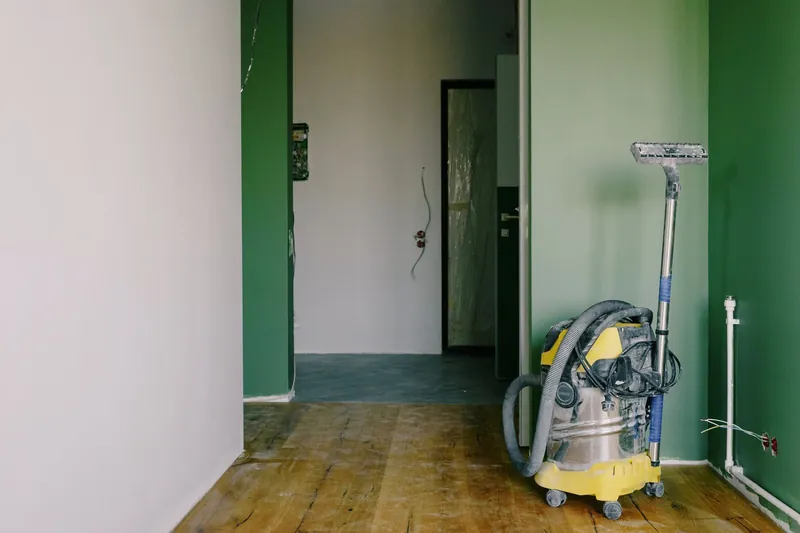
When blood exposure is possible, federal OSHA Bloodborne Pathogens Standard 29 CFR 1910.1030 establishes worker rules for exposure controls, protective equipment, training and work practices.
A disinfectant used for the target organism must be EPA-registered and used according to its label. For the complete listed contact time, the treated surface has to stay wet.
Washington's biomedical waste law covers human blood and blood products. The Utilities and Transportation Commission oversees companies that haul it, and local health departments set handling rules, so it should not go in household trash.
Washington has no single statewide office. Most counties use an elected coroner, while some larger counties use an appointed medical examiner or coroner. Cleanup starts after police or the medical examiner or coroner release the scene.
The full unattended death cleanup guide covers what is cleaned or removed, odor and air quality work, and the rules that apply in your state.
Read the full unattended death cleanup guide
Planning for access, containment and cleanup can depend on local population, housing and entry conditions.
Knowing that Kaiser Permanente Central Hospital is about 6.9 miles away helps households plan where to seek care before arranging scene cleanup.
Nearby places include Bitter Lake, Foy, and Haller Lake, so share the full street address and any building or unit number when you call.
A neighborhood address can differ from its broader city label, making the full street and unit information important for discreet cleanup access.
You can ask about cleanup in nearby communities and ZIP codes during the call.
Home cleaning following a death includes affected possessions as well as fluid and odor cleanup.
See death cleanup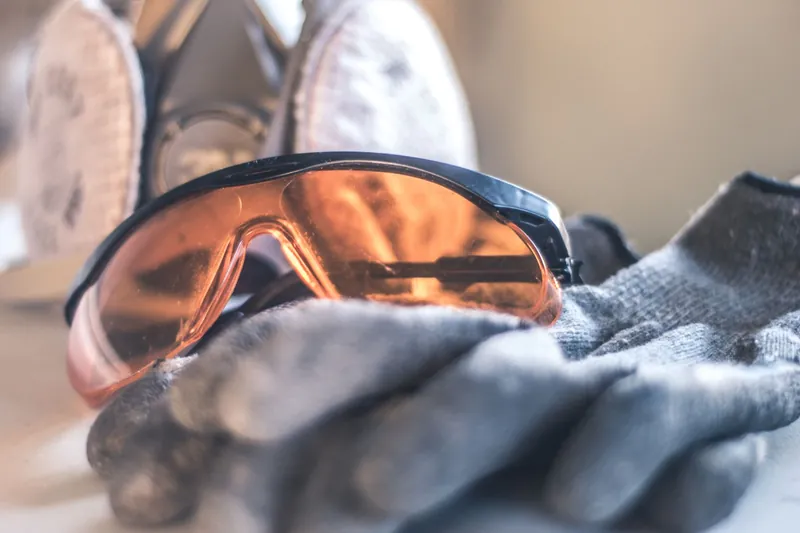
Decomposition fluids are removed from furniture, flooring and the subfloor beneath it.
See decomposition cleanup
Death odor removal at the source with air scrubbers, hydroxyl and ozone treatment.
See death odor removal
Blood, body fluids and other infectious materials are removed, followed by property disinfection.
See biohazard cleanup
Following accidents, violence or injuries, trauma scene cleanup addresses the affected area.
See trauma scene cleanup
Carpet, solid floors, walls and furnishings receive blood cleanup that includes safe disposal.
See blood cleanup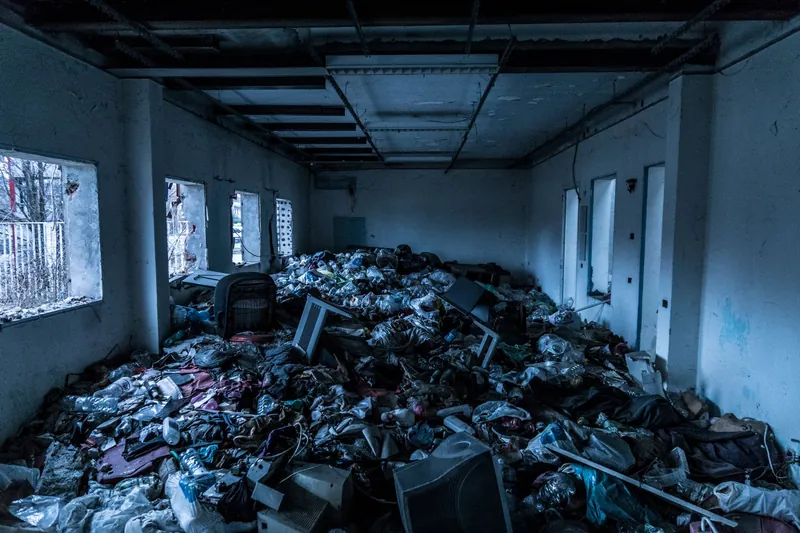
Deep cleaning, respectful sorting and removal are all part of hoarding cleanup.
See hoarding cleanup
Private, careful suicide cleanup so families do not have to face the scene.
See suicide cleanupRoom sorting should start only after the home's release and finished biohazard cleanup. Start with documents, valuables and items outside the affected area. Ask technicians to reserve safely reachable keepsakes. Once entry is allowed, you may choose items to store, keep, donate or discard without contacting hazardous materials.
Guide figures for many cases range from $2,000 through $7,000. When discovery occurs recently in one room, cleanup may cost $2,000 to $5,000, while a delay of one to two weeks may bring $8,000 to $18,000. The on-site assessment covers waste volume, odor treatment, material penetration and time before discovery.
Responsibility depends on ownership, the lease, local requirements and insurance terms. A landlord or property manager often coordinates work affecting the unit or building, while a tenant's policy may address personal belongings. Do not remove property from the affected area before assessment, and confirm applicable coverage with both insurance companies.
After the person has been taken into care, decomposition fluids and materials they reached can still present health risks. Blood and some bodily fluids may carry bloodborne pathogens. Restrict access and avoid touching affected material. With protective equipment, cleanup technicians should disinfect surfaces, remove porous items and prepare hazardous waste.
Finding and removing the source allows the odor to be addressed. The surfaces left in place are then cleaned and disinfected before suitable air treatment is selected. HVAC areas, furnishings, wall gaps, subfloor and carpet padding may all require examination. Fragrance alone does not remove the source and should not replace remediation.
Access and scope approval usually require you or your authorized representative, but neither must stay close to the affected space. You can often make personal property decisions and discuss details or images while somewhere else. Before materials are removed, tell cleanup technicians which personal items matter to you.
You can request respectful, discreet unattended death cleanup 24 hours a day, and crews use unmarked vehicles.